Hiring demolition contractors in Chugiak, AK usually comes down to three questions: what will it cost, do you need a permit, and can any part of the job be done yourself. This guide breaks down pricing by project type, walks through Municipality of Anchorage permit rules that apply to Chugiak, and flags exactly where DIY stops making sense.
Demolition Project Types and What Drives the Price
Most demolition work in Chugiak falls into one of four tiers, based on structure size, equipment needs, and how much debris has to be hauled and disposed of. Pricing isn't one-size-fits-all even within a tier. Site access, frozen ground, and how close a structure sits to property lines or utility lines all move the number up or down.
| Project Tier | Typical Scope | Main Cost Drivers |
|---|---|---|
| Small | Shed removal, single interior wall, small outbuilding | Flat-rate quoting, disposal fees for shingles/lumber/siding |
| Medium | Detached or attached garage, partial building removal | Site access, proximity to fences/utilities, concrete and framing disposal volume |
| Full building | Single-family home, larger commercial structure | Foundation type, square footage, hazardous-material findings |
| Specialized/complex | Multi-story buildings, suspected asbestos or lead paint, large debris cleanups | Hazmat testing, specialized disposal, possible engineering oversight |
Small Demolition Jobs
A backyard shed, a single interior wall, or a small detached outbuilding usually wraps up in a day or less. Because the scope is limited, these jobs are often quoted as flat-rate projects rather than priced by square footage. Disposal fees for shingles, lumber, or old siding frequently make up a bigger share of the bill than labor does.
Medium-Scale Demolition
Garage demolition and partial building removal take more equipment time than a small teardown but don't trigger the engineering review a full structure requires. A detached garage on a flat, open lot typically costs less to remove than one wedged against a fence line or attached to a house. Concrete slabs and framing lumber also add up fast, so disposal volume climbs quickly on these jobs.
Full Building Demolition
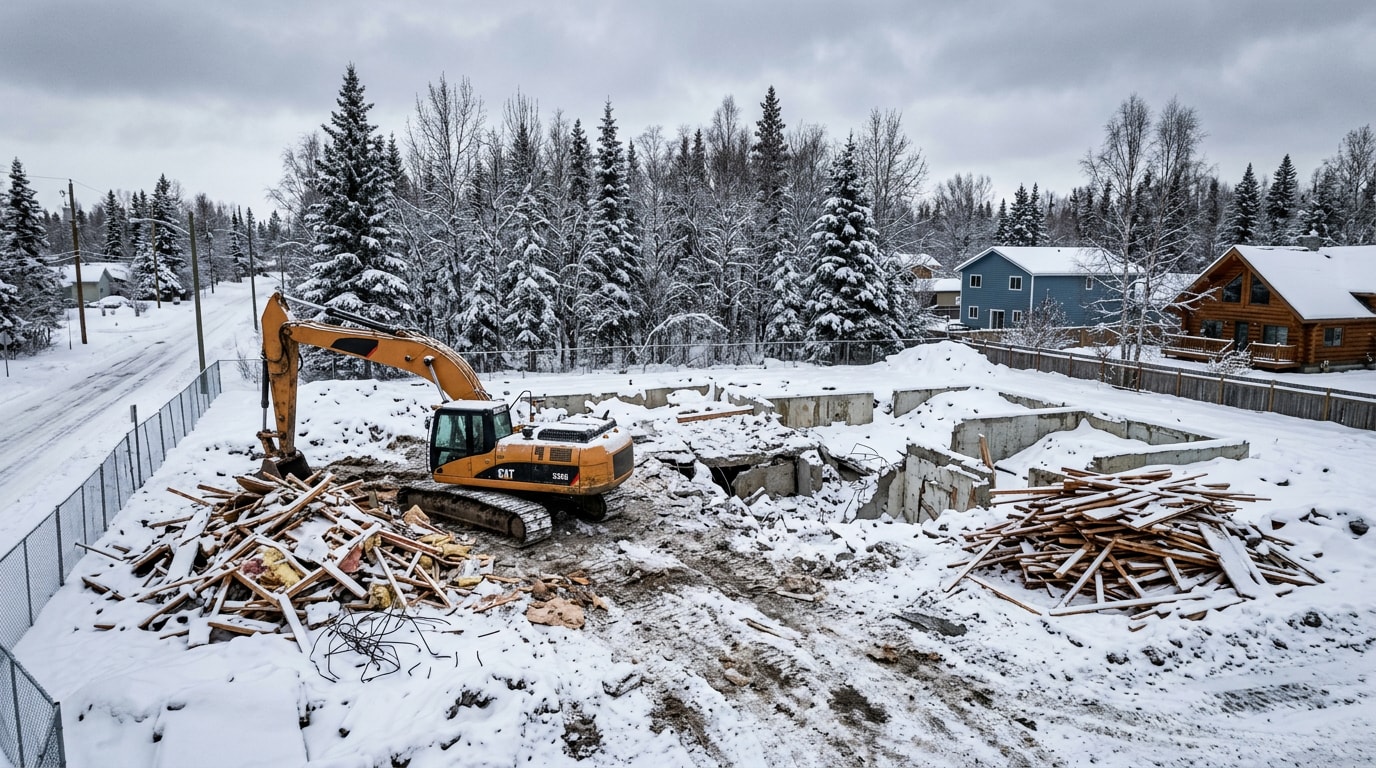
Full building demolition costs vary widely by structure size, foundation type, and what crews find once walls come down. Chugiak's frost depth and seasonal road access add real variables here. Crews often plan around frozen ground, shorter daylight, and tighter equipment-access windows in winter months, which can extend a project timeline even when the structure itself is straightforward. Many homeowners compare a few quotes before committing to a full teardown, since these local factors shift pricing more than national averages suggest.
Specialized or Complex Demolition
Multi-story structures, buildings with suspected asbestos or lead paint, and large-site cleanups fall into this category. These jobs usually require hazardous-material testing, specialized disposal methods, and sometimes engineering oversight to manage structural collapse safely. If a property was built before the 1980s or shows signs of past fire or water damage, expect a recommendation for testing before a final price is quoted. If your teardown is tied to fire or water damage, our fire and flood restoration services page covers what typically follows demolition in those cases.
Get a free estimate once you know which tier your project falls into, it's the fastest way to turn these ranges into a real number for your lot.
Permits for Demolition in Chugiak and the Municipality of Anchorage
Chugiak falls under the Municipality of Anchorage for most building and demolition permitting. Building permits and demolition permits in the municipality are both handled through Development Services , so a chimney teardown, garage removal, or full structure demolition typically routes through the same office as new construction.
In most cases, the contractor pulls the permit on the homeowner's behalf as part of the project scope. Requirements and fees can change, so it's worth confirming current details directly with the Municipality of Anchorage Licenses and Permits office before work begins, especially for older structures or anything near a property line.
| Project Type | Permit Typically Needed? | Why |
|---|---|---|
| Very small, free-standing shed | Sometimes exempt | Confirm with Development Services; size and foundation matter |
| Deck or fence demolition | Often yes | Zoning and structural review |
| Garage demolition (attached or detached) | Yes | Structural demolition permit |
| Load-bearing interior wall removal | Yes | Structural engineering review |
| Chimney removal | Yes | Affects load-bearing framing and ventilation |
| Full home or commercial teardown | Yes | Full demolition permit plus site plan |
DIY vs. Hiring: Where the Line Actually Sits
Not every piece of a demolition project needs a crew, but a few common DIY attempts carry more risk than they look like on paper.
Concrete removal. A thin, accessible driveway slab breaks down faster than a thick foundation slab with rebar in a hard-to-reach side yard. DIY concrete removal is possible for small patios using rented equipment, but it's slow and physically demanding. A job that takes a crew a few hours can eat an entire weekend without the right gear. When new concrete work follows, hiring a contractor vs. renting equipment yourself often saves time, since the same crew can handle demolition, hauling, and the pour as one coordinated project.
Chimney removal. Chimneys often tie into roof framing, flashing, and sometimes load-bearing walls, so an improper teardown can cause leaks, structural shifting, or collapse. Falling brick and mortar also pose a real injury risk without proper bracing. Most homeowners are better served hiring someone who understands exactly how the chimney connects to the rest of the structure before removal starts.
Residential Demolition Before New Construction
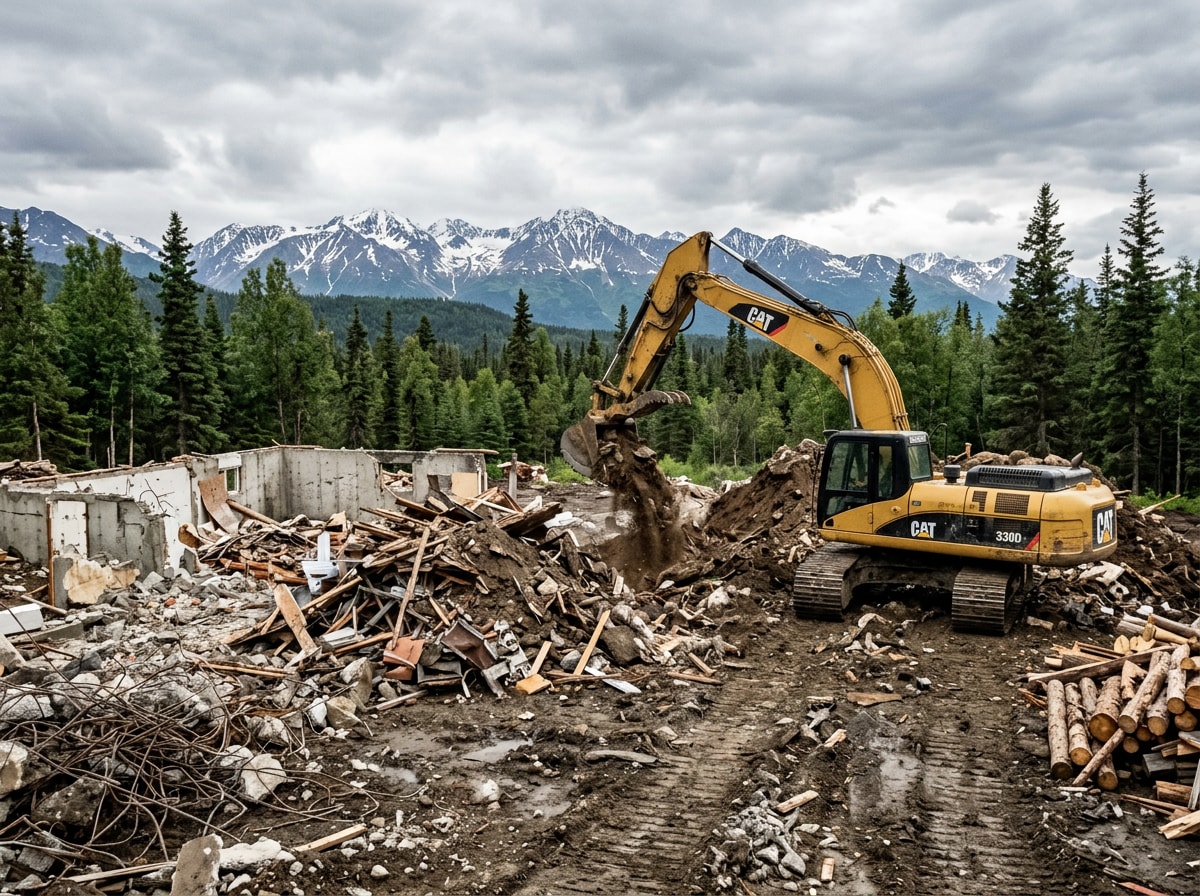
Homeowners planning new construction often need an older structure cleared from the lot first, whether that's a fire-damaged home, an outdated manufactured house, or a structure that's no longer salvageable. Land clearing for residential demolition typically includes removing the structure, breaking up the foundation, and grading the site so it's ready for a new build.
Timing matters in this climate. Scheduling work before the ground freezes, or planning around spring thaw, affects both cost and how quickly the site becomes build-ready. If the new build is going up right after the teardown, our custom home remodeling team can walk through what the site needs to be ready for framing.
Renovation and Interior Demolition
Not every demolition project involves tearing down a full structure. Renovation demolition covers the selective work before a remodel: opening a floor plan, pulling old fixtures and cabinetry, or stripping a room to studs.
This type of teardown takes more care than a full demolition, since the goal is removing exactly what's needed while protecting the parts of the home that stay. Load-bearing walls need structural evaluation before removal, and plumbing or electrical lines usually need to be identified and rerouted first. If you're planning a full remodel, our whole home renovation page covers what's typically involved from teardown through finish work, and our kitchen remodeling and bathroom remodeling pages cover the two rooms where demo prep comes up most.
Exterior and Landscape Demolition
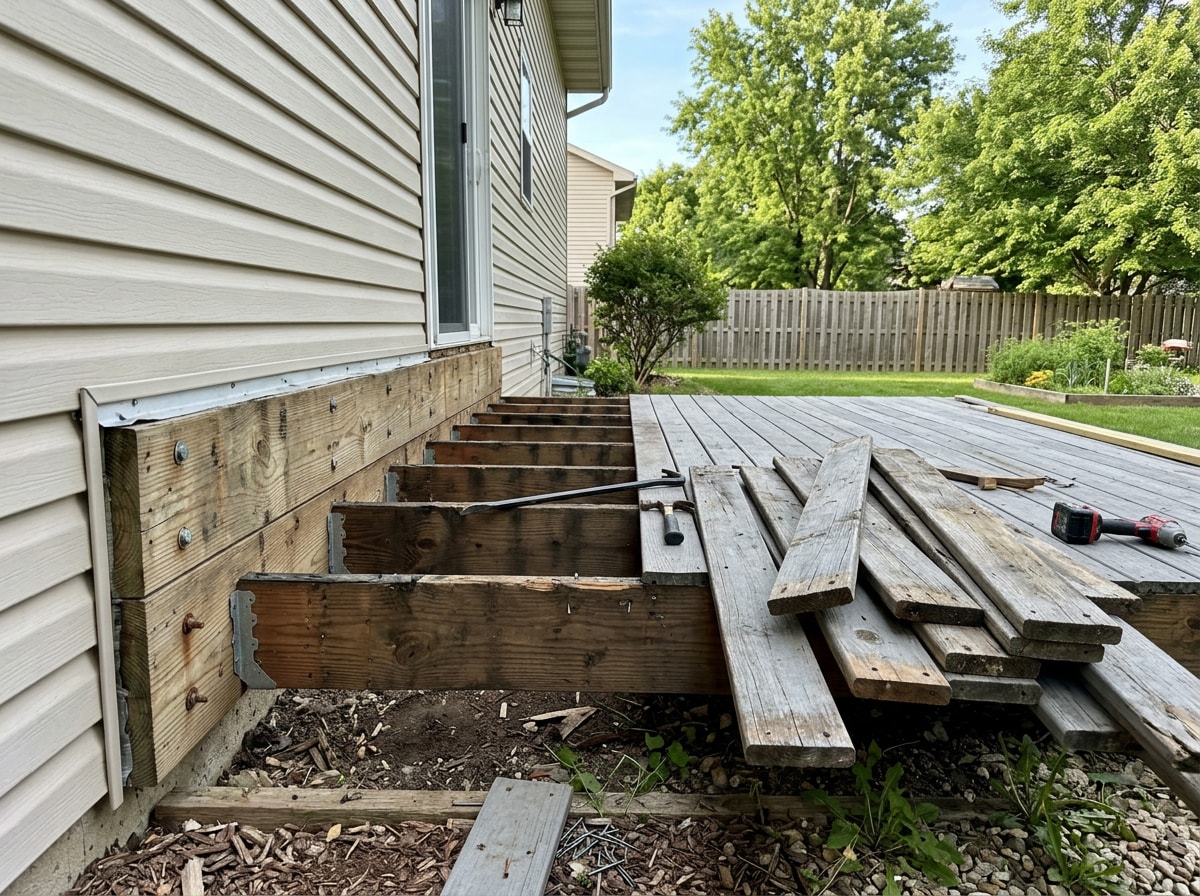
Exterior demolition covers the features outside the home rather than the structure itself: deck removal, fence demolition, and removing old sheds, patios, or retaining walls. These jobs are often smaller in scope but still require careful handling of nails, hardware, and treated lumber for disposal.
Deck removal varies by attachment method. A deck bolted into a home's ledger board takes more care to detach than a freestanding structure. Fence demolition is usually straightforward, though property-line fences may need coordination with a neighbor before work starts. If a new deck is replacing the old one, our deck construction page covers the build side once the old structure is cleared.
Site Safety Standards Crews Follow
Standard site-safety practices include securing the perimeter, containing debris, and shutting off utilities before work begins. Demolition work involves many of the hazards associated with construction, so all of 29 CFR Part 1926 Construction Standards apply at a demolition site, which is why OSHA created the Subpart T demolition standards specifically for these operations. Under that standard, an engineering survey must be made by a competent person before demolition starts to determine the condition of framing, floors, and walls, and all electric, gas, water, steam, sewer, and other service lines must be shut off, capped, or otherwise controlled before work begins . The full standard is public on OSHA's demolition standards page.
Hazard testing matters here too. For demolitions subject to asbestos rules, regulation requires a thorough inspection before demolition or renovation begins , and owners or operators generally must notify the appropriate delegated entity before any demolition, or before renovations involving a certain threshold of regulated asbestos-containing material . The EPA's asbestos NESHAP overview explains when that applies, and it's a routine step on any Chugiak property built before the 1980s.
If you're weighing whether to clear a lot now or build around an existing structure, it helps to see how other Chugiak-area projects were sequenced. Our timber frame home builders guide for Chugiak covers what typically happens between site clearing and framing on a new build.
FAQ
How much does demolition cost in Chugiak, AK?
Cost depends on project tier. Small jobs like shed or interior wall removal are usually flat-rate. Garage and partial building removal cost more based on site access and debris volume. Full structure teardowns vary the most, driven by foundation type, square footage, and any hazardous-material findings. Get a free estimate for a number specific to your lot.
Do I need a permit for shed, deck, or garage demolition in Chugiak?
Garage demolition almost always requires a permit. Deck and fence demolition often does too, depending on size and structure. Very small, free-standing sheds are sometimes exempt, but confirm that directly with Municipality of Anchorage Development Services before starting work.
How long does a demolition project take?
Small jobs like shed or wall removal typically finish in a day. Garage demolition usually takes one to two days. Full home demolition can run several days to a couple of weeks depending on size, foundation type, and winter scheduling constraints.
What types of structures do demolition contractors handle?
Most contractors handle homes, garages, sheds, decks, fences, chimneys, interior walls, and commercial buildings. Crews typically scale equipment and crew size to match the structure, so a single shed and a full commercial teardown are quoted very differently.
Do I need an asbestos test before demolition?
If your property was built before the 1980s, plan on it. Federal rules require a thorough inspection before demolition in many cases, and testing determines whether specialized removal and disposal steps apply before heavy equipment moves in.
What equipment is used for demolition in Alaska winters?
Excavators handle most structural teardown work, with hydraulic breakers for concrete and hand tools for detail work near things that need protecting. Winter jobs also factor in frozen ground and shorter daylight, which can affect equipment scheduling more than the equipment itself.
Ready to scope your project. Visit RAM Construction AK to see recent project work in Chugiak and across the Chugiak area, or get a free estimate to get a clear number before you commit to a teardown date.