
Underpinning contractors in South Anchorage, AK get called out for one recurring problem: foundations that settle or bow as frost-susceptible soil swells every winter and saturates every spring thaw. A bowing wall or a stair-step crack rarely fixes itself, and waiting usually turns a straightforward repair into a structural one. This guide covers the warning signs, the methods contractors actually use, permit rules, and what underpinning costs in 2026.
Why South Anchorage Foundations Move
South Anchorage sits on a mix of silty soils that hold water poorly and expand when they freeze. Each winter freeze cycle pushes up on footings from below. Each spring thaw saturates the same soil and lets it settle unevenly, putting lateral pressure on basement and crawlspace walls.
Homes built before current frost-depth standards are the most common callbacks. Older footings poured shallower than today's code were never designed for the freeze-thaw cycles the soil produces decades later.
Warning Signs Your Foundation Needs Underpinning
Not every crack means a foundation is failing. These signs usually do:
- Stair-step cracks in block or brick foundation walls
- A basement wall bowing or leaning inward
- Doors and windows that suddenly stick or won't latch
- A gap opening between the top of a foundation wall and the house framing
- Uneven or sloping floors near an exterior wall
- A chimney or porch slab separating from the main structure
Catching these early keeps the repair limited to wall anchors or a handful of piers instead of a full foundation rebuild.
Underpinning vs. Piering: What's the Difference
Homeowners hear both terms and assume they're separate repairs. They're not quite the same thing.
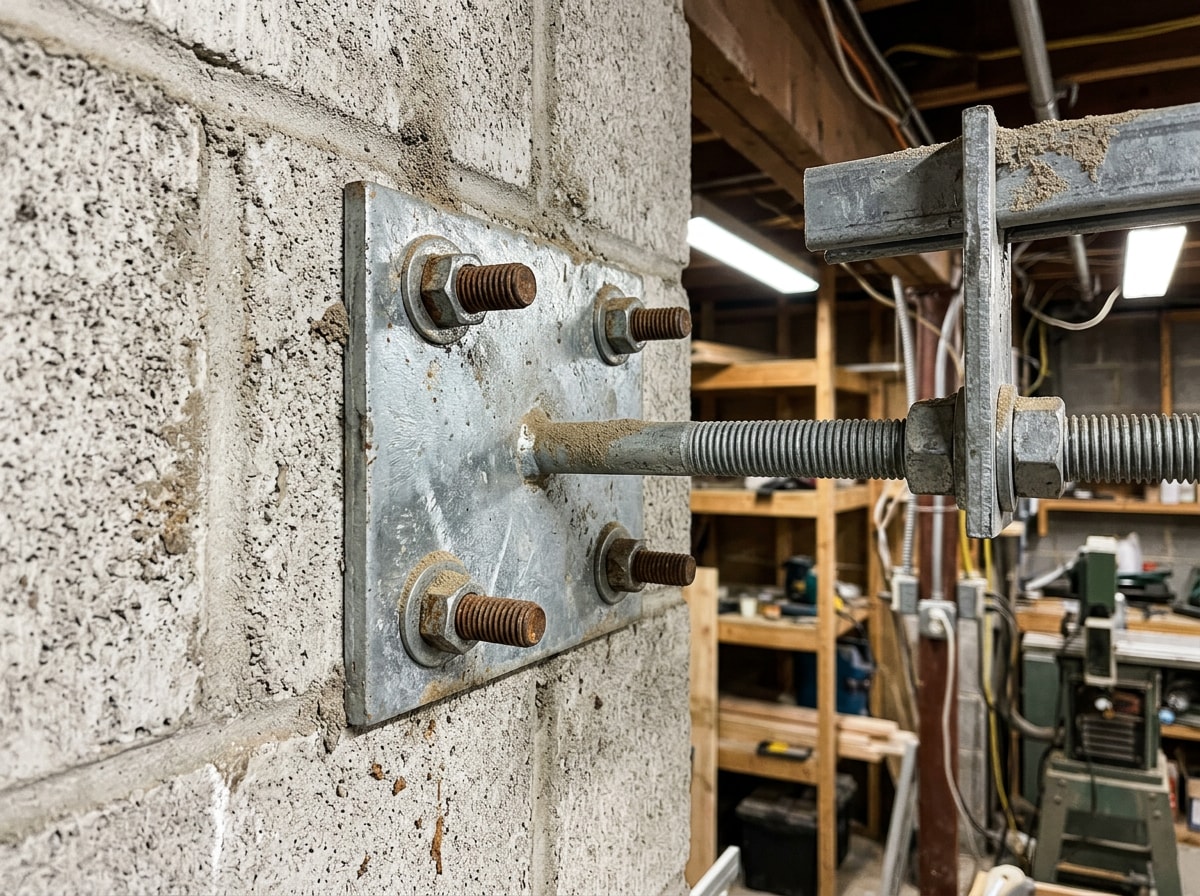
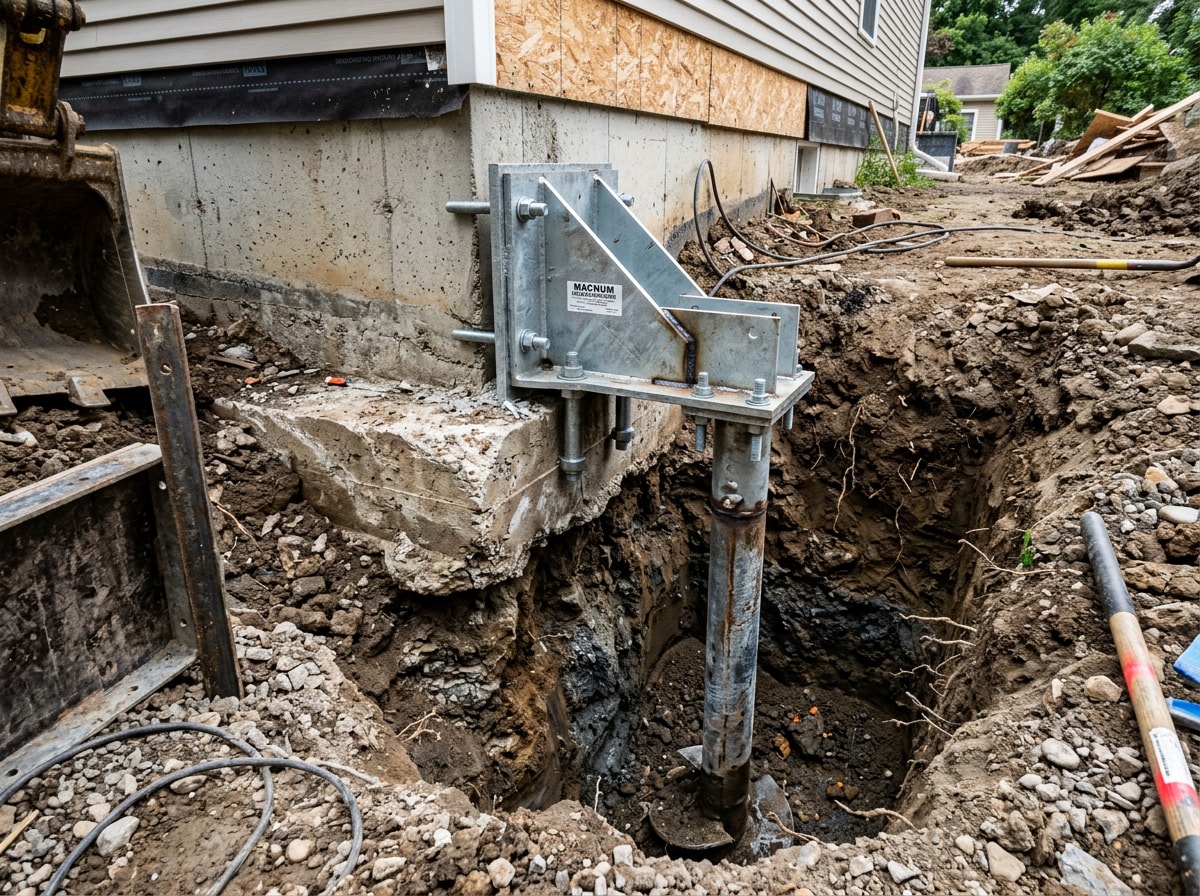
Underpinning is the umbrella term for any method that reinforces or extends a footing system that can no longer support the structure above it. Piering is one way to do that: installing push piers or helical piers beneath the footing to transfer the home's weight to deeper, stable soil. Wall anchors and mass concrete underpinning are other methods under the same umbrella, used when the failure pattern is lateral wall pressure rather than vertical settlement.
A qualified contractor diagnoses which failure pattern you have before recommending a method, because piering a wall that's bowing from soil pressure (not sinking) won't solve the actual problem.
Common Foundation Stabilization Methods
| Method | How It Works | Best For |
|---|---|---|
| Helical piers | Steel shafts screwed into stable soil or bedrock below the frost line | Lighter structures, additions, interior access |
| Push (resistance) piers | Steel pipe sections hydraulically driven to a load-bearing stratum | Heavier homes, perimeter foundation settlement |
| Wall anchors | Steel rod connects an interior wall plate to an anchor set in stable soil outside the house | Bowing or inward-leaning basement walls |
| Mass concrete underpinning | Sections dug beneath the existing footing and poured in stages | Older homes needing a deeper, wider footing |
Most South Anchorage underpinning jobs use a combination: piers for settlement, anchors for bowing walls, and occasional mass concrete work on pre-1980s homes with undersized original footings.
Frost Depth and Permit Rules for Underpinning Work in Anchorage
The Municipality of Anchorage sets minimum footing depths by foundation type and soil condition. Under the local building code amendments, a standard perimeter footing must reach 42 inches in warm (heated) foundations and 60 inches in cold ones, while a cast-in-place concrete pier must reach 42 to 120 inches depending on frost susceptibility, per the Municipality of Anchorage's frost protection code. That range is exactly why underpinning in South Anchorage costs more than the same repair in a milder climate: contractors are excavating and engineering to a much deeper standard.
Foundation and footing work almost always requires a building permit through the Municipality's Development Services Department, with an inspection before backfill. Skipping that step can create problems at resale, since lenders and inspectors check for permitted structural work.
Helical pier systems installed to resist frost and seismic loading are typically evaluated against ICC-ES Acceptance Criteria AC358 for helical pile systems, which sets material, design, and corrosion-life requirements contractors use to size and spec piers correctly for Alaska's soil conditions.
What Underpinning Costs in South Anchorage, AK (2026)
Underpinning pricing depends on the number of piers or anchors, soil access, and whether a structural engineer needs to stamp the design.
| Scope | Typical Cost Range (2026) |
|---|---|
| Single pier or anchor | $1,000 – $3,500 |
| Minor settlement (2–4 points) | $2,000 – $12,000 |
| Moderate settlement (5–8 points) | $6,000 – $25,000 |
| Full perimeter underpinning | $15,000 – $30,000+ |
These ranges reflect national averages; expect South Anchorage jobs to run toward the higher end of each bracket because of frost-depth excavation requirements, permit review time, and a building season that's effectively limited to late spring through early fall. A written quote after an on-site inspection is the only reliable way to price your specific repair.
How RAM Construction AK Approaches Foundation Repairs
Most of the bowing-wall calls we see in South Anchorage trace back to the same cause: silty backfill holding spring meltwater against an undersized footing poured decades before current frost-depth rules existed.
As a general contractor, RAM Construction AK inspects the foundation, identifies the failure pattern, and brings in a licensed structural engineer to design the pier or anchor layout when the scope calls for it. Once the structural fix is in, our crews handle the rest of the project: interior wall repair, drywall and trim, and any home repairs needed to restore the finished space.
Foundation movement often shows up alongside other issues we handle directly. A deck pulling away from the house usually means its footings need the same frost-depth correction covered in our deck construction work. Water intrusion that contributed to the settlement falls under our fire & flood restoration services. You can see our full scope on the general contractor page.
Service Area: South Anchorage and Beyond
We work throughout South Anchorage, AK, including Bayshore, Klatt, Oceanview, and Abbott Loop, along with the wider Anchorage area. If you're evaluating builders for a larger South Anchorage project, our breakdown of apartment construction companies in South Anchorage covers how to vet a contractor for bigger structural work, the same diligence worth applying to foundation repair.
Get Started on Foundation Repairs
A free inspection starts the process. A technician checks wall movement, measures cracks, and identifies the soil conditions driving the damage, then provides a written quote covering the recommended method, cost, and timeline before any work begins. Request your free estimate to get a firm plan in hand, or visit our homepage to see our full range of services.
FAQ
What is underpinning, and when does a South Anchorage home need it?
Underpinning reinforces or extends a foundation's footing system when settlement, bowing walls, or frost heave have compromised its structural integrity. You need it when cracks, uneven floors, or wall movement go beyond cosmetic damage.
What's the difference between underpinning and piering?
Underpinning is the broad category of foundation reinforcement methods. Piering is one specific method within it, using push or helical piers to transfer a home's weight to stable soil below the frost line.
How much does foundation underpinning cost in South Anchorage, AK?
Most residential projects run $2,000 to $30,000 depending on the number of piers or anchors needed. South Anchorage projects tend toward the higher end because of deep frost-depth excavation requirements. Get an on-site inspection for an accurate number.
When can excavation be done in Anchorage?
Most excavation and underpinning work happens between late spring and early fall, once frost has left the ground and soil is stable enough to dig safely. Contractors generally avoid major excavation from late fall through early spring.
Do I need a permit for foundation underpinning work in Anchorage?
Yes. Foundation and footing work requires a building permit through the Municipality of Anchorage's Development Services Department, including an inspection before backfill.
How long does an underpinning project take?
Most residential pier or anchor installations take one to three days on site. Permit review and seasonal scheduling can add several weeks before work actually starts.