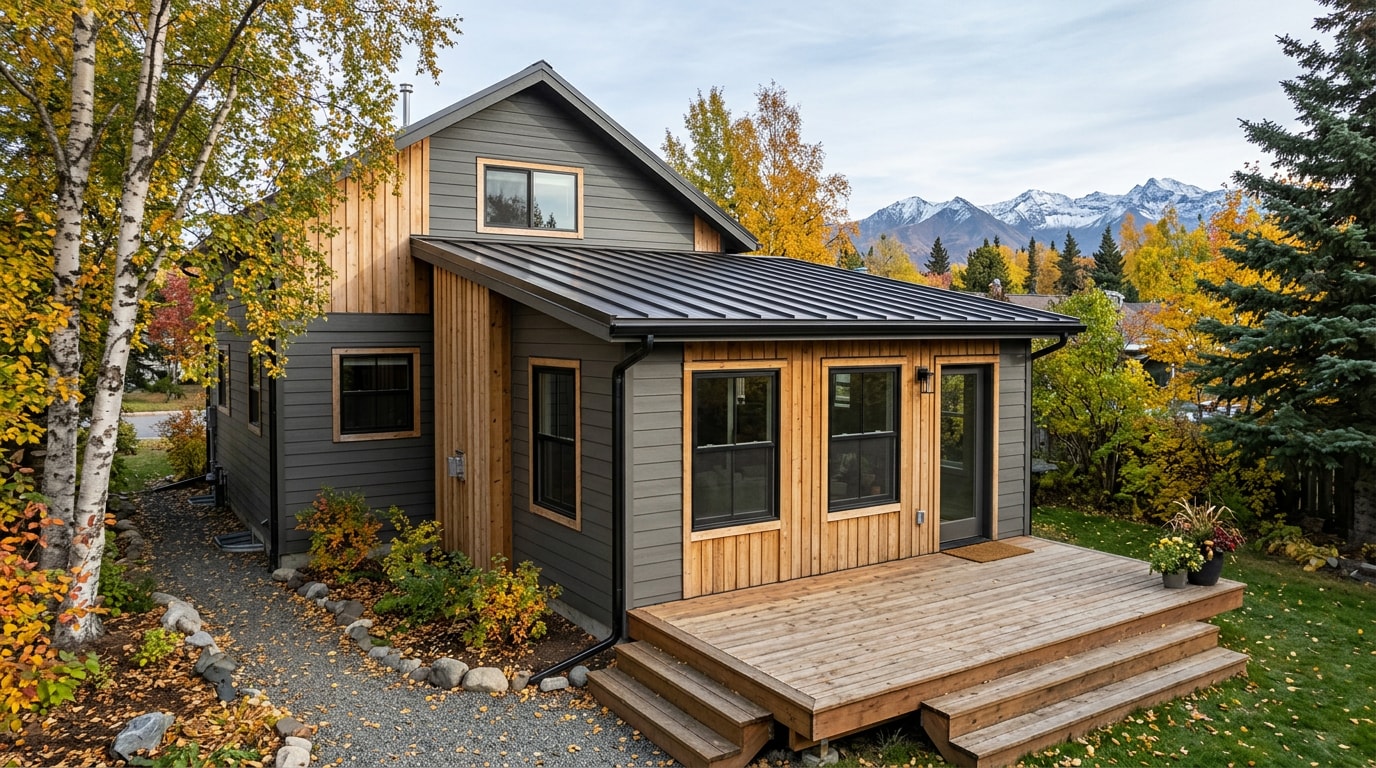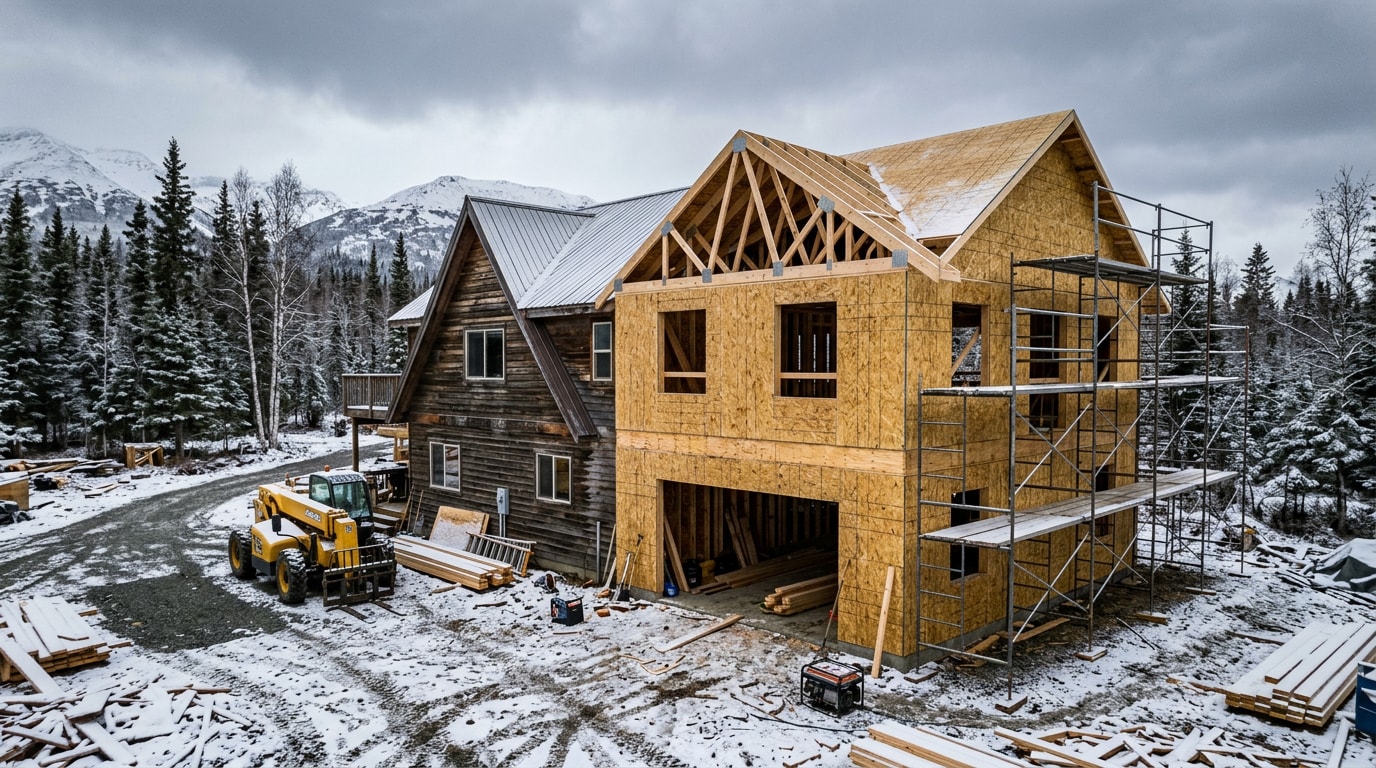

A clerk of the works in Eagle River, AK is the independent inspector who checks your builder's work against the approved plans before framing gets closed in or concrete gets covered. Property owners from Chugiak to the Eagle River valley bring one onto additions, renovations, and school projects where a missed detail is expensive to undo later. Here's what the role actually covers, where Alaska's climate changes the job, and whether your project needs one at all.
What Is a Clerk of the Works? Role and Responsibilities in Eagle River, AK
A clerk of the works (CoW) is an independent construction site inspector hired to represent the owner's or architect's interests on site, confirming that built work matches the drawings and specs before it's covered up. They report to the owner or architect, not the general contractor, which is what keeps their findings unbiased.
Day to day, the job covers routine site walks, document checks against drawings, written progress reports, and acting as the go-between for the owner, design team, and contractor. Think of them as a dedicated owner's representative who's physically present when field decisions get made, not just reviewing photos after the fact.
Types of Clerk of the Works Roles
Not every CoW does the same job. Here's how the role typically splits:
- Site clerk of works – focuses on day-to-day workmanship and site conditions
- Design clerk of works – verifies work against architectural intent
- Quality clerk of works – concentrates on materials and compliance testing
- Cost clerk of works – tracks spend against budget
Larger or more complex builds, like a school addition or a multi-unit renovation, sometimes combine several of these into one role rather than hiring separately for each.
Why Eagle River's Climate Makes Site Oversight Matter More
Southcentral Alaska adds a layer most clerk-of-the-works guides never mention: frost. Eagle River falls inside the Anchorage Building Safety Service Area, so all provisions of Title 23 apply within the Anchorage Building Safety Service Area, which covers Eagle River along with the rest of the municipality .
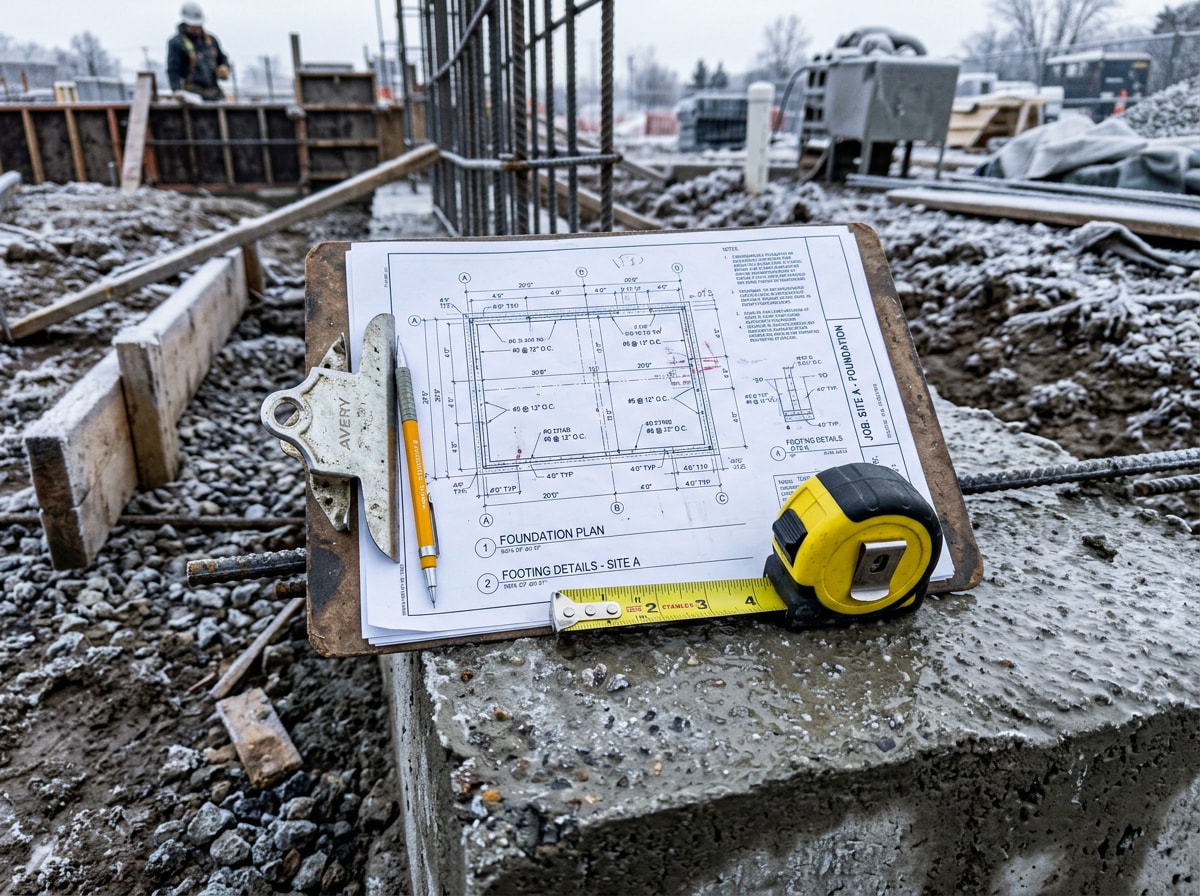
That matters because the municipal code sets a minimum footing depth of 42 inches for a standard perimeter footing, rising to 60 inches for a cold foundation . A clerk of the works checking footing excavations against that table before concrete goes in is a very different inspection than a generic punch-list walkthrough done in a milder climate.
Cold also changes how concrete and masonry are placed. Cold weather construction provisions under TMS 602/ACI 530.1/ASCE 6 are triggered whenever the ambient temperature falls below 40°F , which in Eagle River can mean most of the construction season outside of June through August. A CoW who knows to check curing blankets, heated enclosures, and material temperatures catches problems a weekly site visit would miss entirely.
Skills and Qualifications of a Clerk of the Works
Effective clerks of the works blend technical fluency with sharp interpersonal skills. They need working knowledge of construction techniques, materials, and current building codes, plus the organization and attention to detail to catch a half-inch discrepancy on a foundation layout.
Construction backgrounds vary. Some clerks come up through the trades, others through surveying or site management. Several professional bodies offer recognized credentials, though none are mandatory everywhere a CoW works. The Institute of Clerks of Works and Construction Inspectorate is the professional body that supports quality construction through inspection, and its designations are recognized as a benchmark of professional standing in the industry , which gives property owners a reference point when vetting candidates.
Most people enter the profession by working up from a trade, technician, or surveying-assistant role over several years, rather than through a single certified track. Site safety training is commonly expected before a candidate takes on independent inspection work, but time on active job sites usually matters more than any one credential.
The Real Benefit: Independent Oversight Nobody Else on the Job Provides
The practical payoff of hiring a clerk of the works is oversight that neither the owner nor the general contractor can fully provide alone. Because the CoW answers to the owner or architect, their findings carry less built-in bias than a contractor self-reporting progress.
That independence matters most at the exact moments work disappears: concrete poured, insulation closed in, framing sheathed over. Catching a defect before sign-off is the difference between a quick fix and a tear-out later.
Here's where it gets practical for most Eagle River homeowners: a dedicated, full-time clerk of the works is usually reserved for larger institutional or commercial jobs, school additions, multi-unit builds, projects with multiple design consultants where someone needs to be on-site daily just to referee. For a kitchen remodel, a whole-home renovation, or a deck rebuild, that level of oversight often already exists inside a well-run general contractor's process through daily site supervision, documented inspections, and a super who answers to you, not just the schedule. The honest question isn't "do I need a clerk of the works," it's "does my contractor already give me that accountability, or do I need to pay for it separately?"
| Oversight Option | Who They Report To | Typical Use Case | Cost Model |
|---|---|---|---|
| Independent clerk of the works | Owner or architect, directly | Schools, commercial builds, large multi-trade projects | Daily or hourly rate, separate line item |
| GC-provided site supervision | Owner, through the contract | Residential remodels, additions, custom homes | Built into the project contract |
| No dedicated oversight | No one | Small, single-trade repairs | None, but highest risk of missed defects |
How to Manage a Clerk of the Works on a Project
Getting value from a clerk of the works starts with defining scope and authority before the project breaks ground. Spell out what they can flag, what they can halt, and who receives their reports. Vague boundaries create friction between the CoW and the contractor later.
A few things worth locking down early:
- Reporting cadence – daily logs or weekly summaries, so issues surface while they're still cheap to fix
- Authority limits – what the CoW can require versus what needs owner or architect sign-off
- Access – unrestricted site access at every phase, not just scheduled walkthroughs
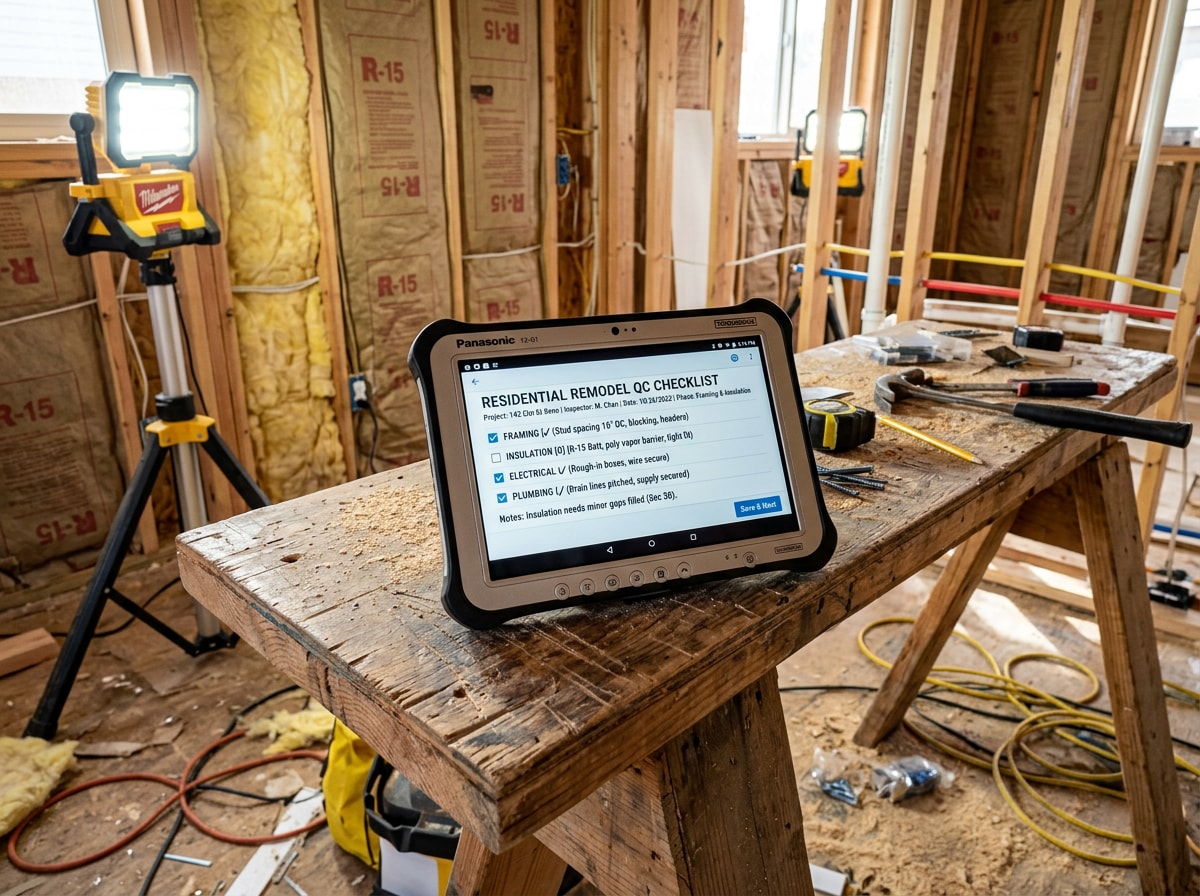
- Documentation format – photos, timestamps, and specific code or spec references on every flagged item
Disciplined, structured site reporting consistently links to fewer cost overruns and shorter delays than ad hoc or infrequent inspections. That's true whether the reporting comes from an independent clerk of the works or from your general contractor's own site management process.
Where RAM Construction Fits In
We build and remodel across Eagle River, Chugiak, and the greater Anchorage area, and we've walked plenty of sites where a detail got missed because no one with independent authority was there to catch it before it got covered up. On our own projects, that accountability is built into how we run the job site, not billed as an add-on service.
If your project is a custom build, a whole home renovation, or a commercial remodel, ask your contractor directly how they document inspections and who you'd talk to if something looked off. A contractor who can't answer that clearly is exactly the scenario a clerk of the works exists to protect against.
For homeowners comparing their options more broadly, our general contractor services page breaks down how we handle site supervision on everything from repairs to full rebuilds. You can also see completed work on our projects page, or browse our coverage of apartment construction companies in South Anchorage if you're evaluating builders for a different property type.
We serve Eagle River and Chugiak directly, along with the rest of the Anchorage bowl from our homepage. If you want a straight answer on whether your project needs independent oversight or already has it built in, get a free estimate and we'll walk the site with you.
FAQ
Do I need a clerk of the works for a home remodel in Eagle River?
Usually not as a separate hire. Most residential remodels get equivalent protection through a general contractor's own site supervision and documented inspections, as long as that process is clearly defined in your contract.
How much does a clerk of the works cost in Alaska?
Rates vary by scope and whether the role is full-time or part-time on the site. Larger institutional and commercial projects that justify a dedicated CoW typically budget it as a separate line item outside the construction contract.
What's the difference between a clerk of the works and a general contractor?
The GC manages the build and is paid to complete the work. The clerk of the works is hired independently by the owner or architect specifically to check that the GC's work matches the plans, so the two roles are meant to balance each other.
Does Alaska require a clerk of the works for building permits?
No. Permitting and inspections in the Municipality of Anchorage, which includes Eagle River, go through the Building Safety Division under Title 23. A clerk of the works is an owner's choice for extra oversight, not a permit requirement.
Who hires the clerk of the works, the owner or the contractor?
The owner or the project architect hires and pays the clerk of the works directly. That reporting line is what keeps their inspections independent of the contractor's own progress reports.